The real estate listing marketing ideas that perform best combine strong visual content, a dedicated page for the property, and paid promotion that puts the listing in front of people who are actively searching, rather than relying on a yard sign, an MLS feed, and a single social media post. On their own, none of those three pieces does much. Together, they give a listing a real chance of reaching buyers before it becomes old news on a portal.
In this article
- 1. What real estate listing marketing ideas should come first?
- 2. Does a dedicated listing page work better than a flyer?
- 3. How much of the budget should go toward paid ads?
- 4. Should every listing get paid social promotion?
- 5. What makes a seller landing page actually capture leads?
- 6. Does local SEO help an individual listing?
- 7. How do these ideas change for new developments or luxury listings?
1. What real estate listing marketing ideas should come first?
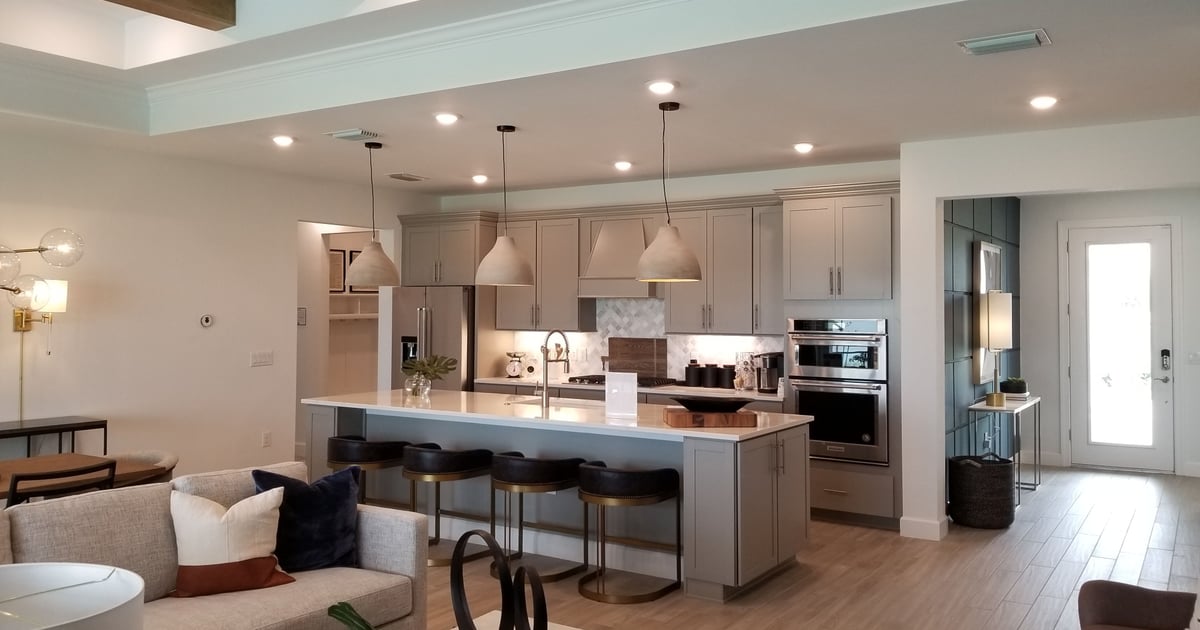
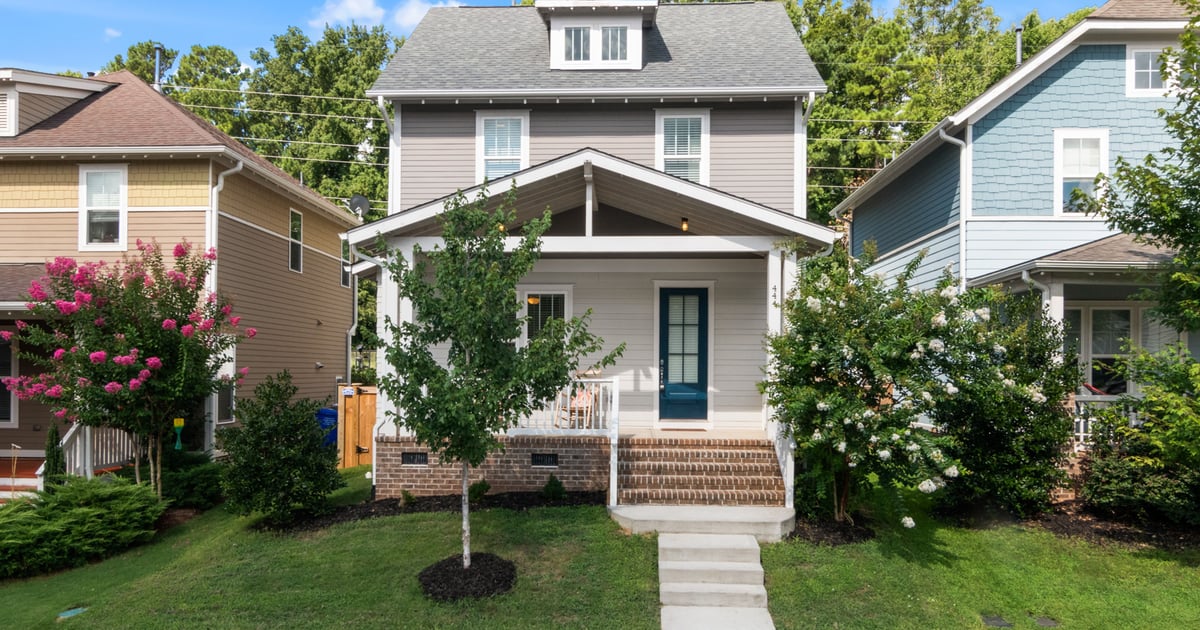
Before anything else, a listing needs photography and, where the price point justifies it, video. This sounds obvious, but it is the step most often rushed. Buyers scroll through dozens of listings in a sitting. The ones with dark, cluttered, or crooked photos get skipped in seconds.
A reasonable standard is professional photos turned around within 24 to 48 hours of the shoot, shot in daylight where possible, with the home staged or at least tidied beforehand. For homes above the local average price, a short walkthrough video, even one that runs 60 to 90 seconds, gives out of town or relocating buyers a much better sense of flow than photos alone.
Pro tip: Book the photographer for the same day the home is staged and the lawn is cut, not two days later. Light changes, grass grows, and small scheduling gaps show up in the final images more often than agents expect.
Agents who handle a high volume of listings often set up a standing relationship with one photo and video production provider so scheduling is not negotiated fresh every time a new listing comes in. That consistency also keeps the look of a brand steady across every listing, which matters more than most agents assume when a buyer starts comparing agents, not just homes.
2. Does a dedicated listing page work better than a flyer?
A printed flyer or a single portal listing has a short shelf life and almost no way to capture a lead. A dedicated page on the agent's own website can rank in search, hold the full photo and video set, and include a form or a chat prompt that turns a browsing visitor into a contact.
A listing that only lives on an MLS feed is competing with every other listing on the market that day. A listing that also lives on the agent's own site, with ads pointed at it, is competing with nothing.
This only works if the website itself is built to support it. A page thrown together without IDX search, without fast load times, and without a clear path to contact the agent will not hold attention. Our guide on realtor website design covers what actually keeps visitors on a site long enough to act, and the website design and build service builds that structure from the start rather than bolting it on later.
3. How much of the budget should go toward paid ads?
Paid ads earn their place when a listing is new, because the first two weeks on market are when buyer interest is highest. A small daily budget, often in the range of $10 to $30 per day, run through Google Ads targeting people actively searching for homes in that area, can outperform a much larger budget spent later once interest has cooled.
Ontario agents advertising listings also need to keep in mind the advertising standards set by the province's regulator. The Real Estate Council of Ontario publishes guidance on what can and cannot appear in real estate advertising, and it is worth a read before any paid campaign goes live.
Google Ads management works well for capturing people typing specific searches, such as a neighbourhood name plus "homes for sale." It tends to perform differently than social platforms, which is why many agents run both at once rather than choosing one.
4. Should every listing get paid social promotion?
Not every listing needs a dedicated campaign, but most benefit from at least a short paid boost on Facebook and Instagram during the first week or two on market. Unlike organic posting, which depends on who happens to be online and following the agent already, paid promotion reaches people outside that circle based on location, age, and interests.
This is a case where video content pulls its weight. A short walkthrough clip, even a vertical one shot on a phone with basic editing, tends to hold attention longer than a static photo carousel. Facebook and Instagram ads run through the agent's own ad account also build a data history over time, so each new listing campaign performs a little better than the last because the platform has more to learn from.
Our breakdown of real estate Facebook ads goes into targeting and creative choices in more depth, including why ad account ownership matters for an agent building a long term presence rather than running one off campaigns.
5. What makes a seller landing page actually capture leads?
A seller landing page, usually built around a home valuation tool, works because it gives a curious homeowner a low commitment way to engage before they are ready to call anyone. They get an estimate, and the agent gets a lead with contact details and some context about their property.
The pages that convert well share a few traits: a short form, a clear and immediate value estimate rather than a vague "contact us for pricing," and a follow up message that goes straight to the agent's phone rather than sitting in a dashboard. Our real estate lead generation guide walks through how these pages fit into a wider lead flow alongside buyer search tools.
Agents sometimes treat a seller landing page as a one time setup, but it works best as an ongoing fixture linked from every listing page, every email signature, and every ad campaign aimed at