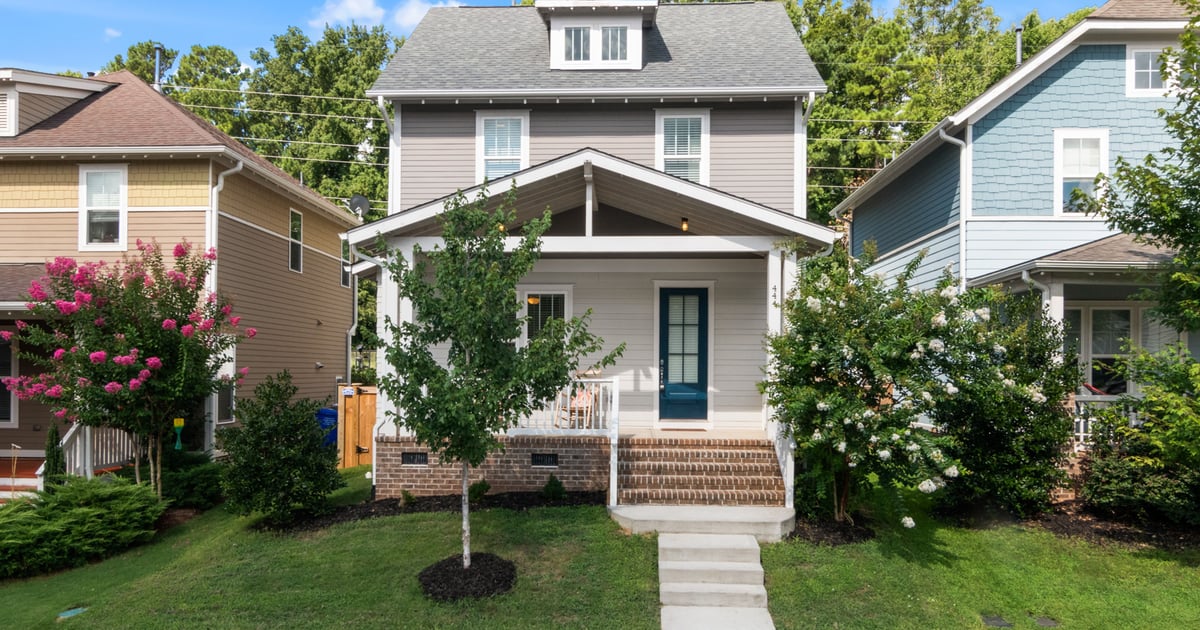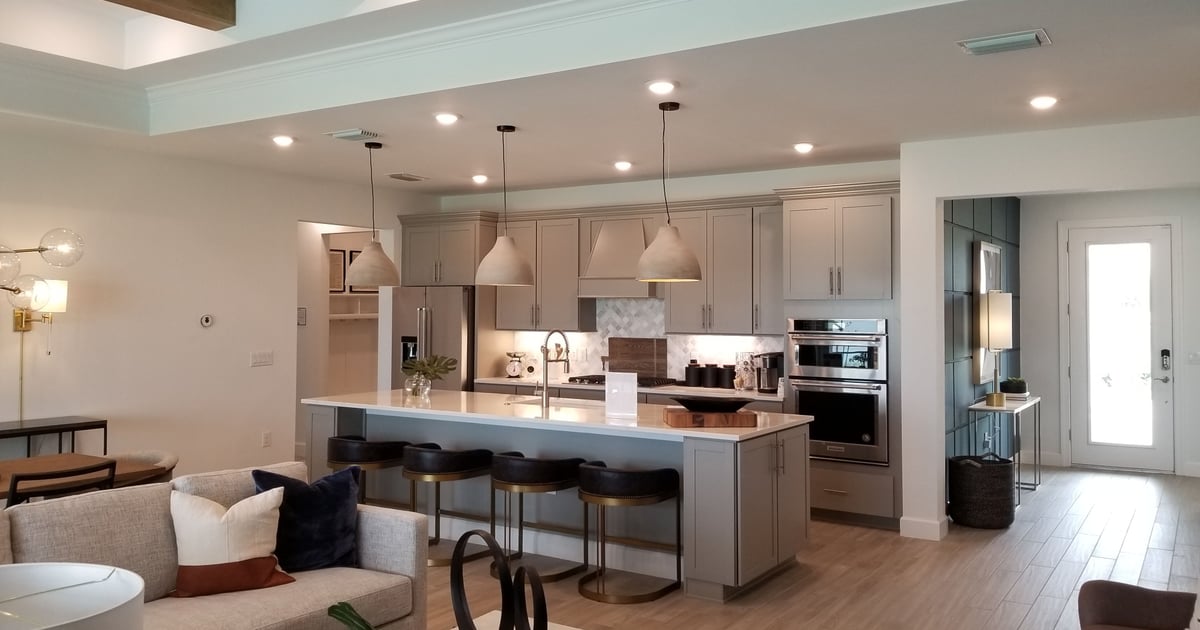
Real estate video marketing is the use of short video content, such as listing walkthroughs, agent introduction videos, neighborhood tours and market update clips, to attract buyer and seller leads and build trust with an agent's audience before they ever pick up the phone. For most residential agents it works best as one part of a bigger system: a website that can hold the video properly, ads that get it in front of the right local audience, and a way to capture the lead once someone engages with it. Done well, video shortens the gap between a stranger finding an agent online and that stranger becoming a client.
- What is real estate video marketing?
- What types of real estate videos actually generate leads?
- Should you film yourself or hire a professional?
- How long should a real estate video be?
- How do you get your videos in front of buyers and sellers?
- What does real estate video marketing cost?
- Key takeaways
- Where to go from here
What is real estate video marketing?
Real estate video marketing covers any video an agent, team or brokerage uses to market listings, their own personal brand, or the local market they work in. That includes listing walkthroughs, "coming soon" teasers, agent introduction videos, buyer and seller education clips, neighborhood guides, and short market update videos recorded on a phone.
The reason video gets so much attention in this industry is simple. Buying or selling a home is one of the largest decisions most people make, and video gives a buyer or seller a way to get a feel for an agent or a property before committing any time. A photo shows what a kitchen looks like. A thirty-second video of someone walking through that kitchen, narrating it, shows how the space actually flows and gives a sense of the person selling it to them.
Video is not a replacement for the rest of an agent's marketing. A video sitting on a phone or buried in a social feed from three months ago does not generate leads on its own. It needs a home: usually a website, a listing page, or an ad campaign built to push it to people who are actually searching for homes or thinking about selling. That is why most agents who get real results from video pair it with a proper website design and build and a plan for where the video will run.
A listing video should make a viewer feel like they have already walked through the home once, before they ever book a showing.
That is the bar worth aiming for, whether the video was shot on a phone or with a full crew.
What types of real estate videos actually generate leads?
Not every video style serves the same purpose, and agents who get the most out of video usually run a mix rather than betting on one format.
Listing walkthroughs are the most common. A short, well-paced tour of a property, usually narrated or set to simple on-screen text, gives buyers a reason to request a showing instead of scrolling past the listing.
Agent introduction videos answer the question every new lead has in the back of their mind: who is this person, and can I trust them. A short video on the homepage or about page does more to build that trust than a paragraph of text.
Buyer and seller education videos cover questions people search for anyway, like what a home inspection involves or how to price a home correctly in the current market. These tend to do well in both search and paid ads because they solve a real problem rather than pitching a listing.
Neighborhood and community videos help an agent position themselves as the local expert in a specific area, which matters for both seller leads and for SEO around location-based searches.
Market update videos, recorded monthly or quarterly, keep an agent visible to past clients and their sphere without requiring a new listing every time.
A single agent does not need all five types running at once. Most start with a listing walkthrough format and an introduction video, then add the others as their system matures. For a broader view of how video fits alongside a website, ads and search, the real estate lead generation guide covers how these pieces work together.
Should you film yourself or hire a professional?
This is the most practical decision most agents face, and the right answer depends on what the video is for, how often it needs to be produced, and what the agent's time is worth.
| Approach | Typical cost | Time required | Best suited to |
|---|---|---|---|
| Phone, self-filmed | Low, mainly time | High ongoing time per video | Market updates, quick social clips, behind-the-scenes content |
| Semi-pro, agent with basic gear | Moderate, one-time equipment cost | Moderate, faster with practice | Agent intro videos, regular listing walkthroughs |
| Professional production | Higher, usually per project or on retainer | Low for the agent, scheduling only | Flagship listings, brand videos, ads meant to run for months |
Pro tip: if budget is tight, spend the professional dollars on the videos that will be reused the longest, such as an agent introduction video or a brand video for the website, and handle quick, timely content like open house reminders or market updates on a phone.
Many agents start by filming themselves and later bring in a professional once they have a steady lead flow and want their video quality to match the rest of their marketing. Others go straight to professional production because they would rather spend their time with clients than learning lighting and editing. Both paths work. What tends not to work is inconsistent, rarely-updated video that looks noticeably different in quality from the rest of an agent's brand. A photo and video production partner who understands real estate can keep the output consistent even as volume increases.
How long should a real estate video be?
Length depends entirely on where the video will be watched and what it needs to do.
Short-form video for Instagram Reels, Facebook, or TikTok-style placements performs best between 15 and 45 seconds. Attention drops off quickly on these platforms, so the video needs to get to the point in the first three seconds.
Listing walkthroughs for a website or YouTube can run longer, typically 60 to 90 seconds for a standard home and up to 3 minutes for a larger or higher-end property where buyers expect a fuller tour.
Agent introduction videos work best kept short, usually 30 to 60 seconds. This is not the place for a long biography. It is a quick, warm introduction that makes a stranger comfortable enough to fill out a form or pick up the phone.
Educational and market update videos have more room to breathe, often running 2 to 5 minutes, because the viewer has chosen to watch for the information rather than scrolling past it.
Pro tip: cut a long-form walkthrough into two or three short clips for social and ads. One well-shot property tour can become a 60-second website video, a 20-second Instagram teaser, and a still-image carousel, without any additional filming.
How do you get your videos in front of buyers and sellers?
A video only works if the right person sees it at the right time. There are three main ways agents get that distribution, and most serious lead generation systems use all three together.
A website built to hold video properly. Videos embedded on a homepage, listing page, or about page give visitors a reason to stay longer and give search engines a reason to rank the page higher. A site with no clear home for video, or one that loads slowly because of it, undoes a lot of the benefit. Good realtor website design treats video as part of the layout from the start, not an afterthought.
Paid ads. Organic reach on social platforms is limited, and even a strong video will only reach a small slice of an agent's followers without some paid support. Running video through Facebook and Instagram ads lets an agent put a listing or brand video in front of people in a specific area who match a buyer or seller profile, rather than hoping the algorithm shows it to the right audience. The real estate Facebook ads guide covers the mechanics of this in more detail. Video can also support Google Ads management campaigns, particularly on YouTube placements tied to local search terms.
Search visibility. Video pages, when set up with proper titles, descriptions and transcripts, can rank in search results alongside written content. This is a slower path than paid ads but builds up over time as part of a broader SEO strategy.
Any real estate marketing claims made inside video content, such as sold prices or market statistics, should stay accurate and within the advertising standards set by your local regulator. In Ontario, the Real Estate Council of Ontario publishes guidance on what agents can and cannot say in advertising, and it is worth checking before a video goes into paid distribution.
What does real estate video marketing cost?
Costs vary widely depending on whether video is self-produced or outsourced, and how often new content is needed.
A phone and a basic gimbal or tripod can cost under $300 CAD as a one-time purchase, with no ongoing cost beyond the agent's time. This suits agents just getting started or those producing frequent, low-stakes content like market updates.
Hiring a freelance videographer for individual listings typically runs from a few hundred to over a thousand dollars per shoot in most Southwestern Ontario and GTHA markets, depending on property size and turnaround time.
An ongoing production arrangement, where an agency scripts, films and edits content regularly as part of a broader marketing system, is usually priced as part of a retainer rather than per video, since the value comes from consistency rather than any single clip. This is also where video tends to work best alongside paid ads, since fresh creative keeps ad campaigns from going stale. Agents considering this route can see how it fits into a full system by looking at client results from agents already running one.
There is no fixed answer to what video marketing should cost a given agent. It depends on how many listings they handle in a year, how much of their lead flow currently depends on referrals versus paid channels, and how much time they have to produce content themselves.
Key takeaways
| Point | Why it matters |
|---|---|
| Video needs a home and a distribution plan | A video with no website, ad, or search placement rarely gets seen |
| Mix video types rather than relying on one format | Listings, intros, education and market updates each serve a different stage of the funnel |
| Match production method to the video's lifespan | Phone-shot content suits timely posts, professional production suits long-running assets |
| Length should match the platform | Short for social, longer for website tours and education |
| Reuse footage across formats | One shoot can produce a website video, social clips, and still images |
| Check local advertising rules before publishing | Claims about pricing or market data need to stay accurate |
Where to go from here
Video works best as part of a system, not as a standalone effort. Before investing heavily in production, it helps to look at how a website, paid ads and video fit together for a residential agent or brokerage. The Marketing for realtors and brokerages page walks through how those pieces connect, from the site that holds the video to the ad accounts that get it seen by buyers and sellers in a specific area. It is a reasonable starting point for an agent trying to decide whether to build this themselves or bring in help. From there, a get a quote conversation can look at what a realistic plan looks like for a specific market and budget.
FAQ
Does real estate video marketing actually generate leads, or just views? Views alone do not generate leads. Video generates leads when it is paired with a way to capture interest, such as a website form, a home valuation page, or a call to action in a paid ad. A video watched on social media with no next step attached mostly builds awareness rather than leads.
How often should an agent post new video content? There is no fixed schedule that works for everyone, but agents who stay visible typically produce at least one new piece of video content every one to two weeks, whether that is a new listing walkthrough, a market update, or a short educational clip. Consistency matters more than volume.
Can a new agent do real estate video marketing without a big budget? Yes. A phone, natural light, and a simple script covering a listing's best features is enough to start. The bigger factor in early success is usually not production quality but whether the video has somewhere to live and some way to reach the right audience, which is where a basic website and a small paid ad budget tend to matter more than camera gear.