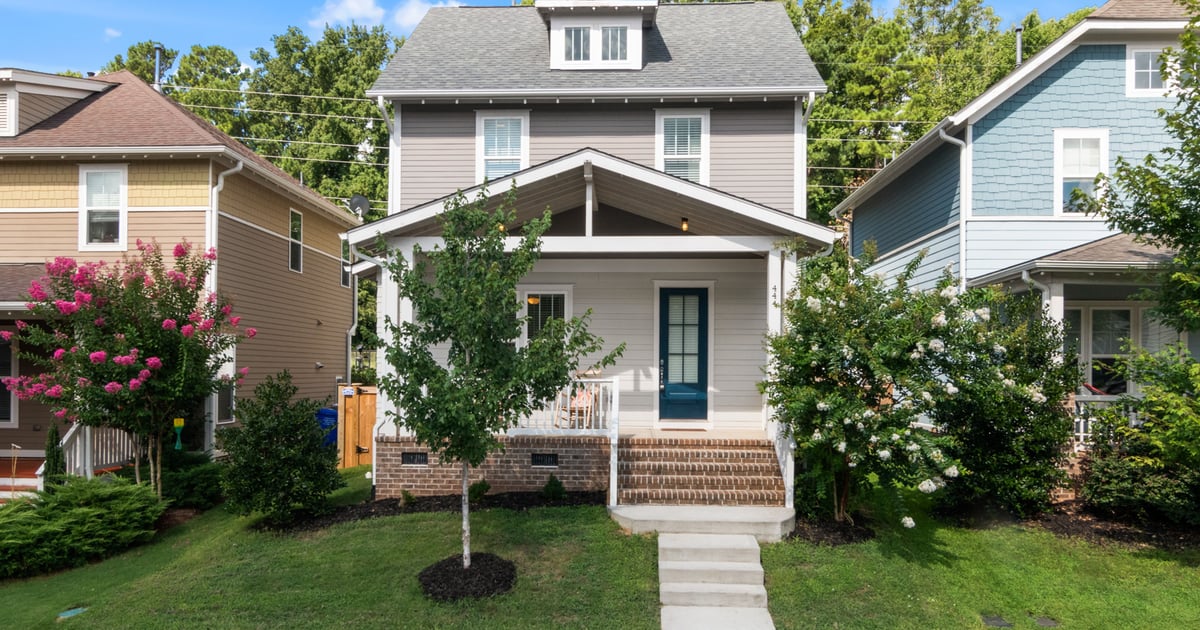
YouTube ads for real estate agents are paid video placements that run before, during or beside YouTube content, aimed at homeowners thinking about selling or buyers researching a neighbourhood. Done properly, they put a short, specific video in front of a defined local audience for a known cost per view, and send that audience to a page built to capture a name and phone number rather than relying on someone remembering the agent's name weeks later. The steps below cover how to plan, build and run a YouTube ad campaign for a real estate business, what it tends to cost, and when another channel should come first.
- What Are YouTube Ads for Real Estate Agents?
- How Do You Set Up a YouTube Ads Campaign?
- What Ad Formats Work Best for Real Estate?
- How Much Should You Budget for YouTube Ads?
- How Do YouTube Ads Compare to Other Real Estate Lead Sources?
- What Should You Do Next to Launch YouTube Ads for Real Estate?
What Are YouTube Ads for Real Estate Agents?
YouTube ads are bought and managed through a Google Ads account, not through YouTube directly. That matters for agents because it means the same account, the same billing, and often the same targeting data used for search campaigns can also run video. The main formats are skippable in-stream ads, which play before or during a video and can be skipped after 5 seconds, non-skippable in-stream ads that run for 15 seconds, bumper ads capped at 6 seconds, and discovery ads that appear in YouTube search results and the homepage feed.
For real estate, the appeal is specificity. An agent can target people in a defined postal code range who have recently searched real estate related terms, who fit an "in-market for real estate" audience Google has already built, or who have visited the agent's own website before. That is a narrower, more relevant audience than a general brand video aimed at everyone in a city.
A video ad only earns attention in its first five seconds. On YouTube, a skip button appears almost immediately, so the opening has to say who the video is for and what it offers before it says anything else.
The honest limitation is that video is a slower-building channel than search ads. Someone searching "homes for sale in [neighbourhood]" has already raised their hand. Someone watching a video on an unrelated channel has not. YouTube ads work best as a channel for reach and recognition that supports a search and landing page strategy, not as a replacement for one.
How Do You Set Up a YouTube Ads Campaign?
- Set one goal per campaign. Seller leads, buyer leads, and brand awareness in a new farm area each need different messaging and should not share a campaign.
- Build the landing page first. A YouTube ad sending traffic to a generic homepage wastes most of its budget. A home valuation page for seller-focused ads, or a search and save page for buyer-focused ads, gives the click somewhere specific to go. This is the same groundwork covered in the real estate lead generation guide.
- Script around one idea. A single video should answer one question: what are homes in this area actually selling for, what does this specific listing offer, or why does this agent know this market. Trying to cover everything in 30 seconds covers nothing well.
- Film and edit for sound-off viewing. Many viewers watch without sound at first. Captions and clear visuals carry the message before audio does.
- Set up the campaign in Google Ads, choose video action or awareness goals depending on the objective, and apply geographic, demographic and in-market targeting.
- Launch with a modest daily budget, check view rates and click-through rates after the first week, and pause anything underperforming rather than waiting it out.
- Route every lead to the agent's phone, matching the setup already used for other paid channels, so follow-up happens the same way regardless of where the lead came from.
Agents who prefer not to script, film and manage this in-house often fold it into broader Google Ads management and photo and video production handled together, since the video and the account setup depend on each other.
What Ad Formats Work Best for Real Estate?
The right format depends on budget, goal and how much footage is available. Skippable in-stream ads are the most common starting point because they are billed only when someone watches 30 seconds or interacts, which keeps cost closer to genuine interest. Bumper ads are cheap and good for repetition but too short for a real pitch. Discovery ads behave more like search results and tend to attract viewers already curious about a topic.
| Format | Length | Typical cost pattern | Best use for agents |
|---|---|---|---|
| Skippable in-stream | 12 seconds or longer | Pay per view or action, usually lower waste | Seller or buyer lead campaigns with a clear offer |
| Non-skippable in-stream | 15 seconds | Pay per thousand impressions | Brand or listing awareness in a tight farm area |
| Bumper | 6 seconds | Pay per thousand impressions, low cost per ad | Reinforcing a name after another ad has introduced it |
| Discovery | Thumbnail plus text | Pay per click | Viewers actively searching neighbourhood or market terms |
Pro tip: film three or four short variations from the same shoot, such as a market update, a single listing walk-through, and a direct "thinking of selling" message. Testing variations against the same audience shows which message earns the lower cost per lead, and a single 20-minute filming session can usually produce all of them.
How Much Should You Budget for YouTube Ads?
Cost per view on YouTube in Canada typically runs in the range of a few cents, though it varies by audience size, season and how competitive the local market is for ad space. A realistic starting budget for a single agent testing the channel is in the range of $15 to $30 CAD per day, run for at least 90 days before drawing conclusions. Video campaigns need more time than search campaigns to build enough data for Google's delivery system to optimize properly, and judging a video campaign after one or two weeks usually just measures noise.
Production cost matters as much as media spend. A video shot on a phone with poor audio will underperform a simple, well-lit video with clear sound even if the media budget is identical. Agents often underestimate how much a clean script and steady footage affect cost per lead, assuming the ad platform is the only variable that matters.
Claims made in the video also carry legal weight. Statements about home values, market trends or guaranteed results should be accurate and substantiated, in line with Canada's general advertising rules on misleading claims, as outlined by the Competition Bureau of Canada. This applies to video scripts the same way it applies to listing descriptions or flyers.
How Do YouTube Ads Compare to Other Real Estate Lead Sources?
No single channel covers every stage of a buyer or seller's decision. YouTube tends to sit earlier in that decision than search ads, closer to awareness than to active intent.
| Channel | Where it fits | Typical strength | Typical limitation |
|---|---|---|---|
| YouTube ads | Awareness and consideration | Builds recognition before someone is actively searching | Slower to show direct leads, needs longer testing |
| Google Ads search | Active intent | Captures people already searching by neighbourhood | Can be competitive and costly in busy markets |
| Facebook and Instagram ads | Awareness through consideration | Strong for home valuation and listing promotion | Audience is less in-market than search |
| Organic SEO | Long-term, ongoing | Compounding value, lower cost per lead over time | Takes months to build, see the real estate SEO guide |
A workable order for most agents is search ads first, since that audience is already looking, then a website built to convert that traffic, then video and social to build recognition in a farm area over time. The real estate Facebook ads article covers a similar sequencing question for social video specifically.
What Should You Do Next to Launch YouTube Ads for Real Estate?
Before spending on video, it helps to check that the basics are in place: a website that can actually capture a seller or buyer lead, a Google Ads account structured properly, and at least one piece of produced video to work from. Agents who already have these pieces running tend to get more out of YouTube because the landing page and account history give the campaign something to build on.
For a look at how these pieces work together as one system rather than separate purchases, the marketing for realtors and brokerages page lays out how a website, IDX search, valuation page and ad accounts fit together for a single agent or team. It is a reasonable next stop for anyone deciding whether YouTube should come first or later in the plan.
Key takeaways
| Point | Why it matters |
|---|---|
| YouTube ads run through Google Ads | Setup and targeting connect to search campaign data |
| Build the landing page before the video | A great ad sending traffic to a weak page wastes spend |
| Test for at least 90 days | Video campaigns need time to gather enough data to optimize |
| Film several short variations at once | One shoot can produce multiple tests without extra cost |
| Video usually supports search, not replaces it | Search captures people already looking, video builds recognition earlier |
| Claims in scripts must be accurate | Advertising rules apply to video the same as any other format |
FAQ
Do YouTube ads work for real estate agents in smaller Ontario markets? They can, though smaller audiences take longer to build enough data for the campaign to optimize well. Combining video with a clear landing page and a longer test window of around 90 days usually matters more than market size.
How long should a real estate YouTube ad be? Shorter generally performs better for cold audiences. A 15 to 30 second video that makes one clear point tends to outperform a longer video trying to cover a full market update or multiple listings.
Can an agent run YouTube ads without a professional video crew? A simple, well-lit, clearly audible video shot with basic equipment can work, provided the script is tight and the message is specific. Production quality affects results less than a confusing or generic message does.